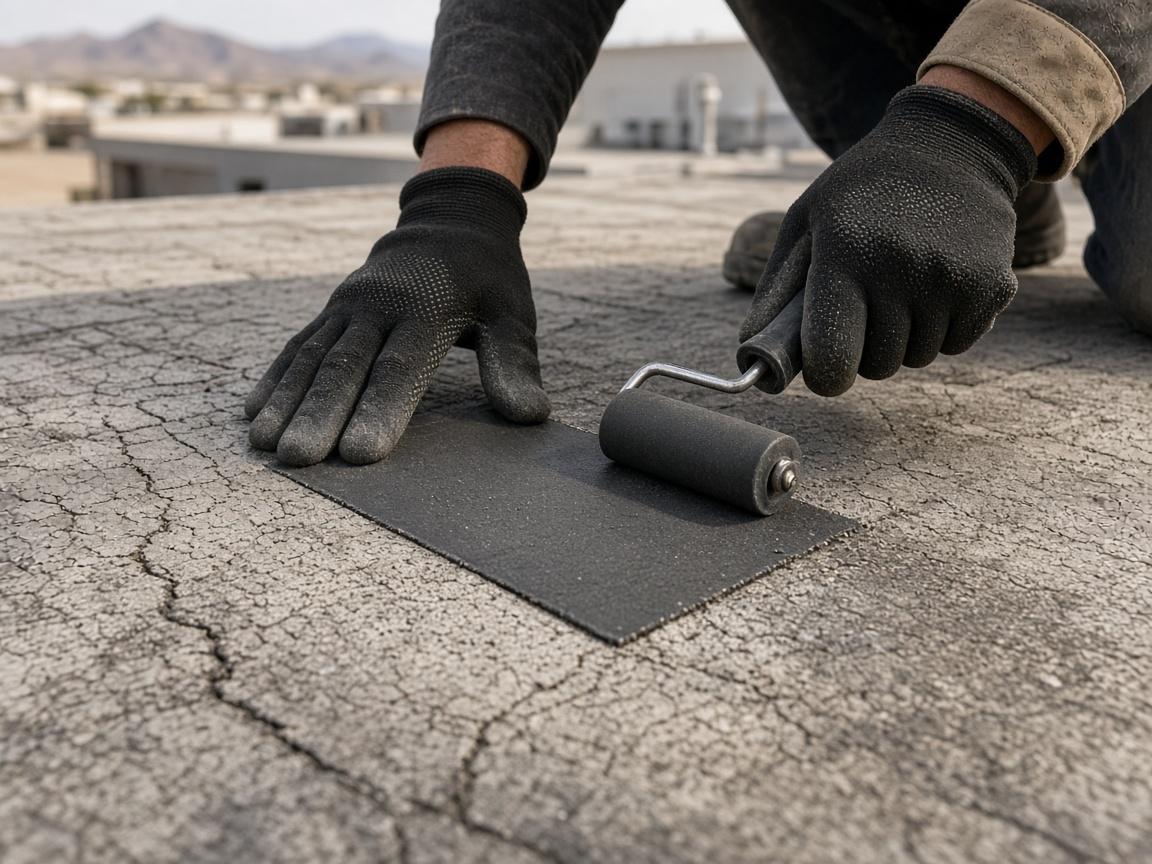
Flat Roof Repair
Flat Roof Repair
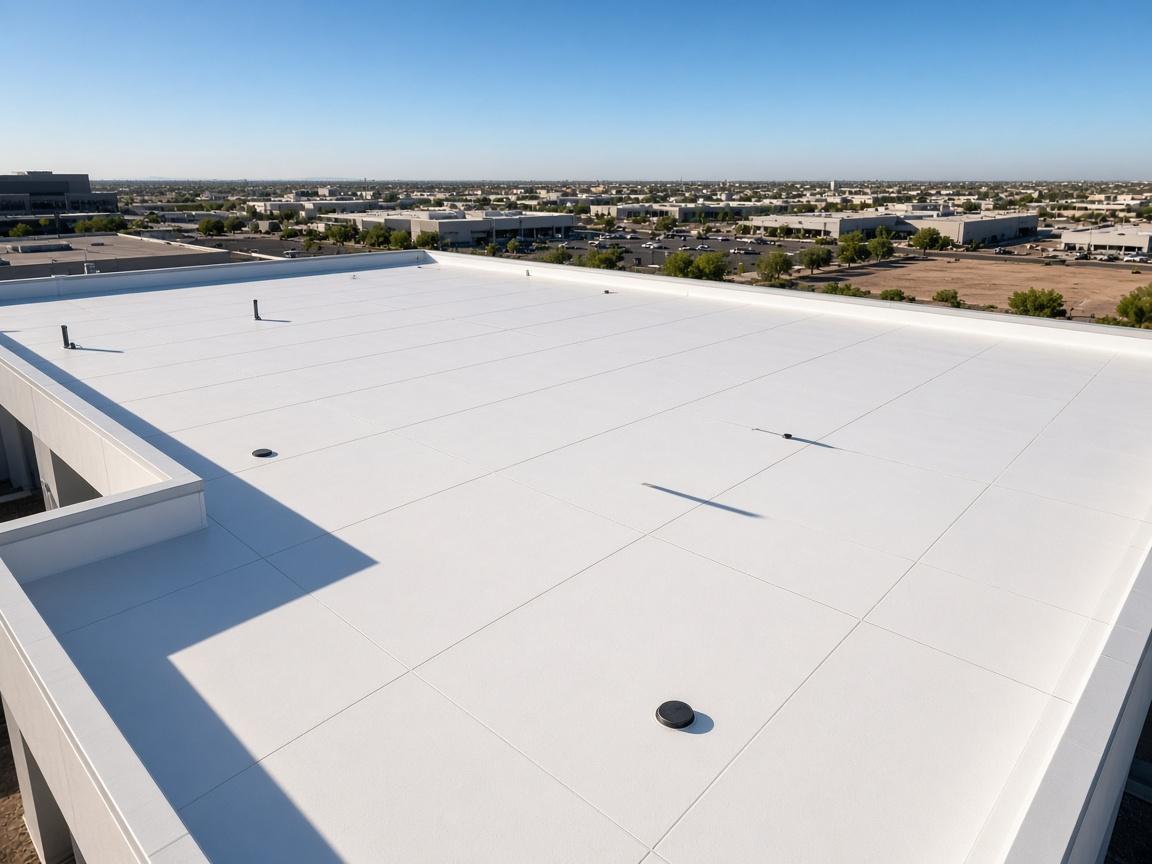
Flat roofs take a beating in Arizona — heat cycles, UV, and monsoon rains all push them to the limit. We find the problem fast and fix it right.
Learn more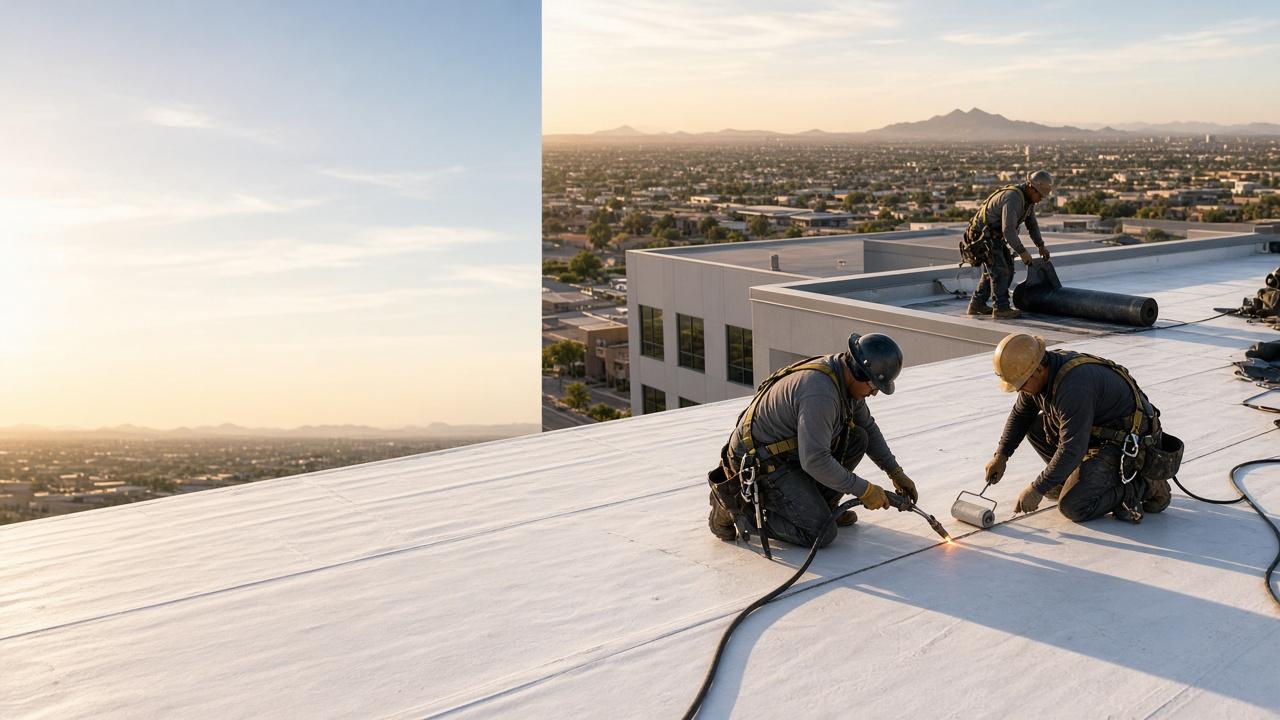
Flat roof repair, TPO, EPDM, metal roofing, and full replacements for commercial buildings across the East Valley. Licensed, insured, and backed by 15+ years of local experience.
From minor flat roof repairs to complete tear-off and replacement, Gilbert Commercial Roofing handles every type of commercial roofing system in the East Valley.
Flat roofs take a beating in Arizona — heat cycles, UV, and monsoon rains all push them to the limit. We find the problem fast and fix it right.
Learn more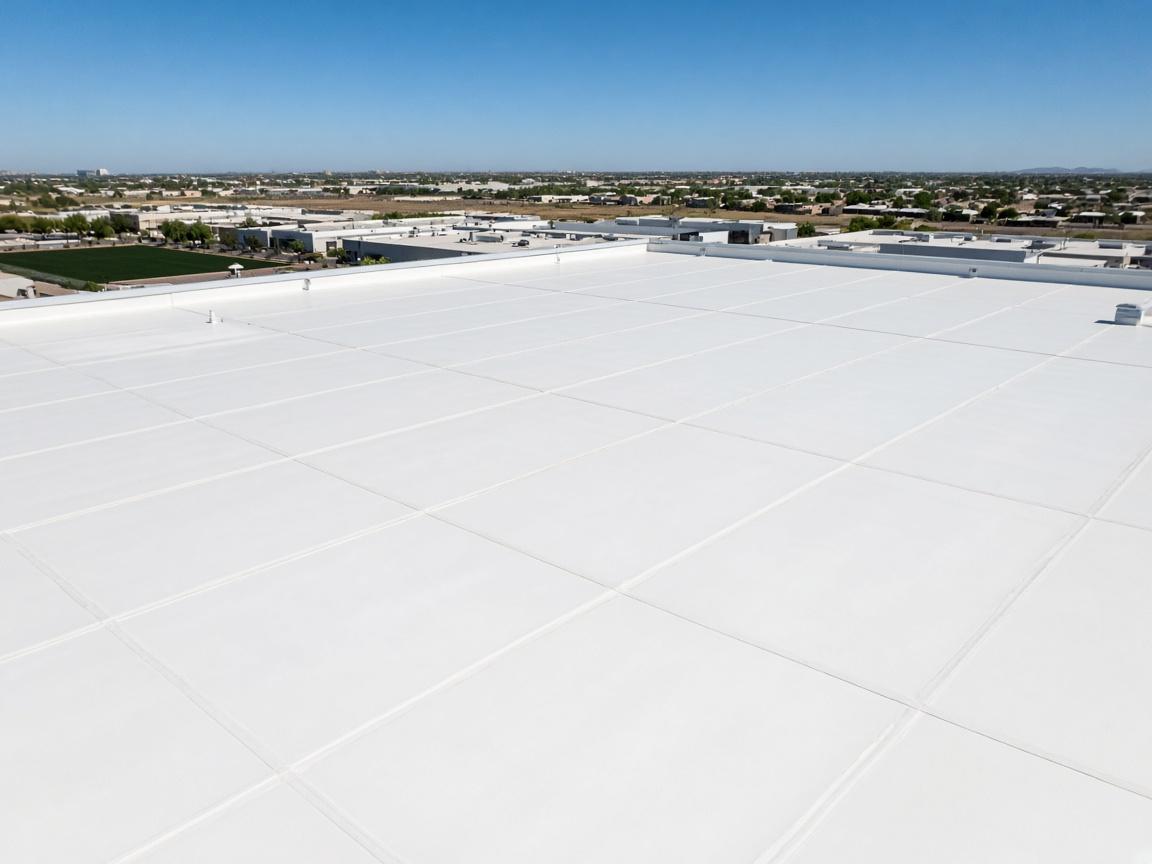
TPO is one of the most popular commercial roofing systems in the Valley for good reason — it reflects heat, welds tight, and holds up against UV better than most options.
Learn more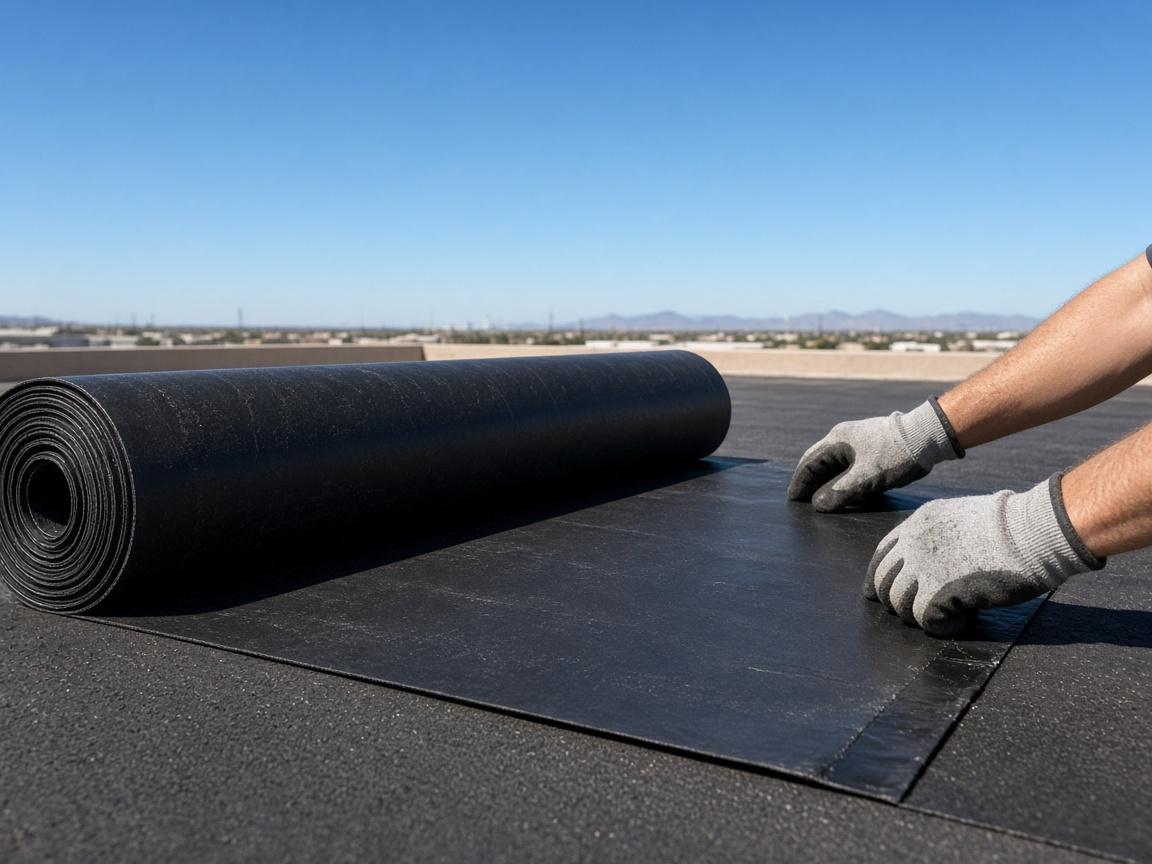
EPDM has been a workhorse of commercial roofing for decades. It's flexible, resistant to extreme temps, and when installed correctly it lasts 25+ years with minimal maintenance.
Learn more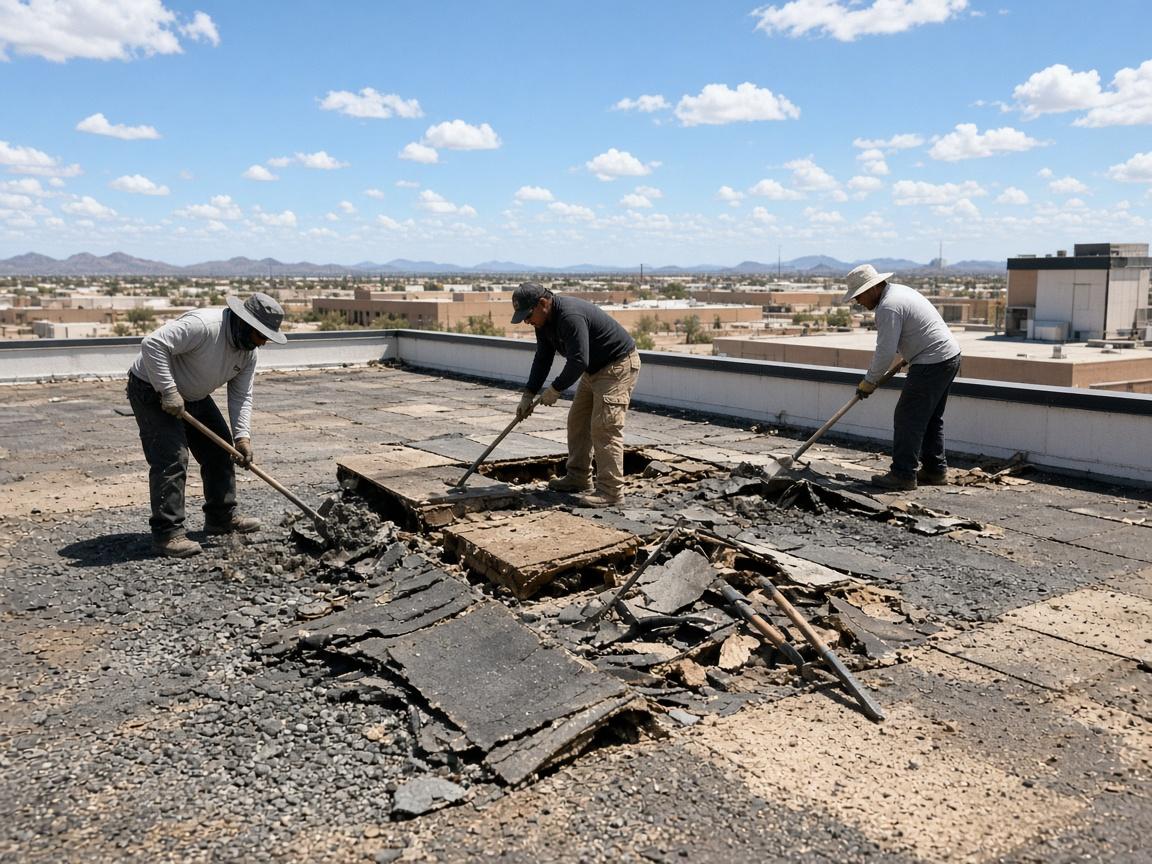
When repairs no longer make financial sense, a full replacement is the right call. We handle the entire process — permits, tear-off, deck repair, new membrane — with minimal disruption to your operations.
Learn more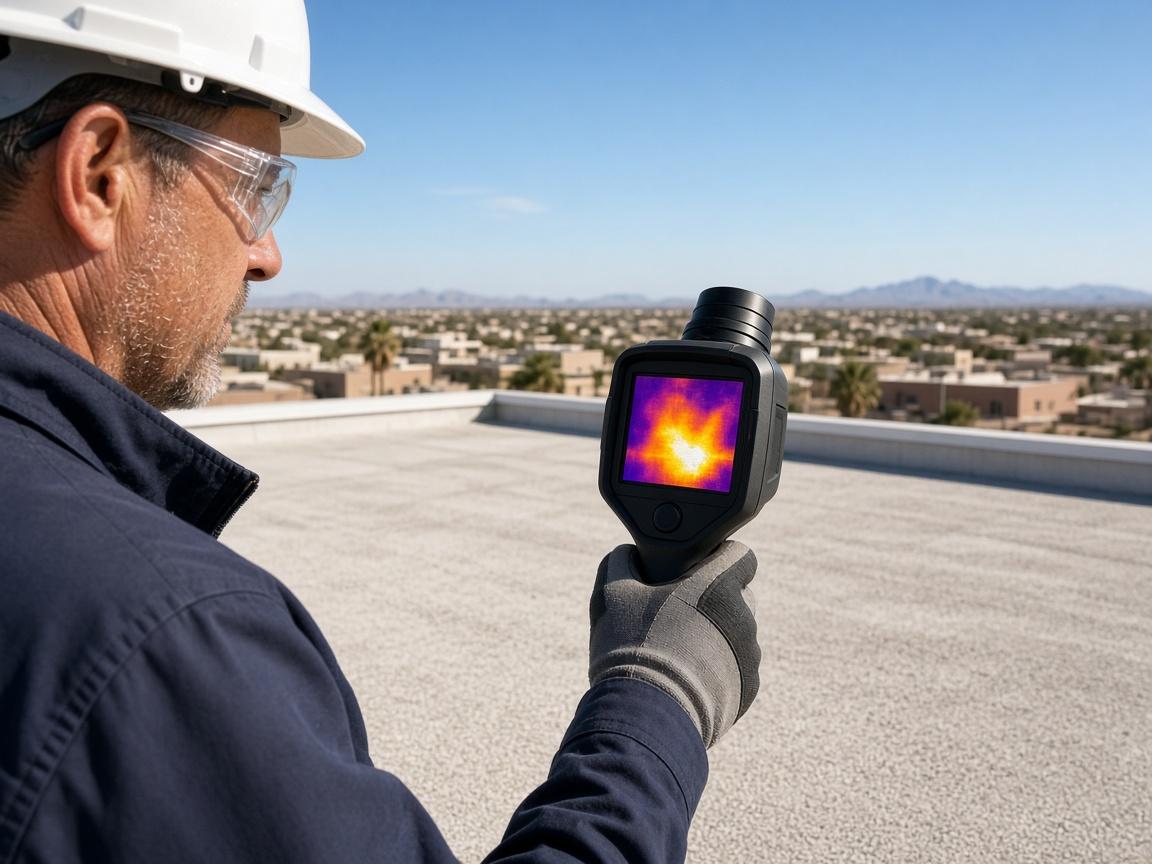
You can't manage what you can't see. A thorough roof inspection gives you a clear picture of what's happening up there — before a leak shows up on the inside.
Learn more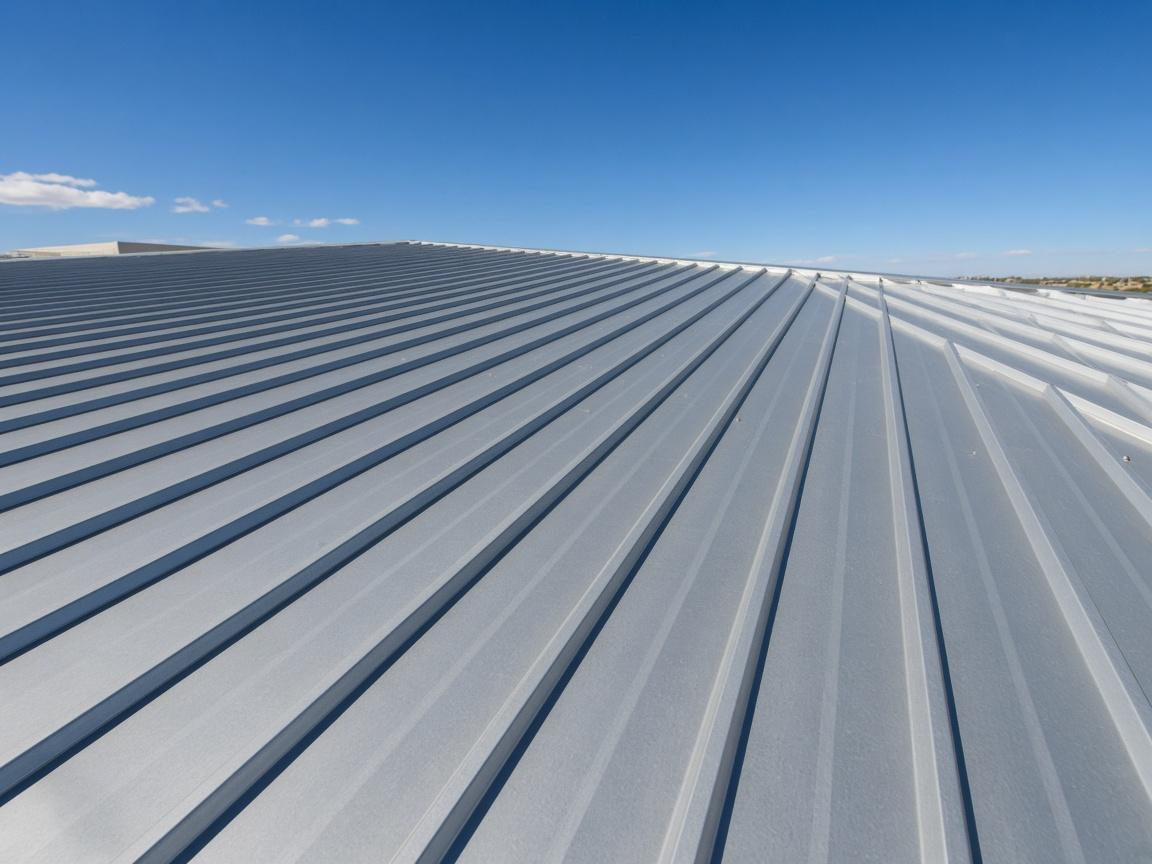
Metal roofing is built to last 40–60 years on commercial buildings. When you factor in that lifespan against the cost, it often comes out ahead of membrane systems over time.
Learn more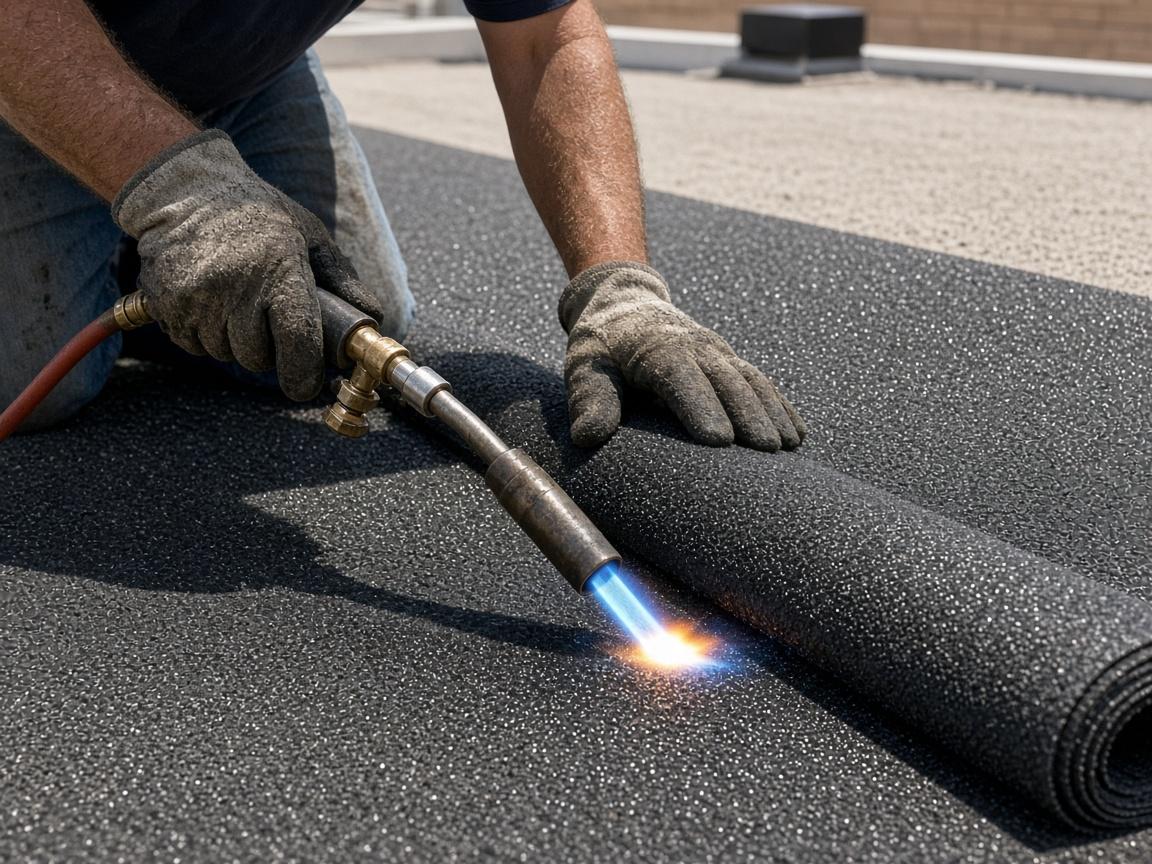
Modified bitumen is a proven system that's been protecting commercial buildings for over 40 years. The granulated surface handles Arizona UV and the polymer-modified base stays flexible even when temps swing hard.
Learn more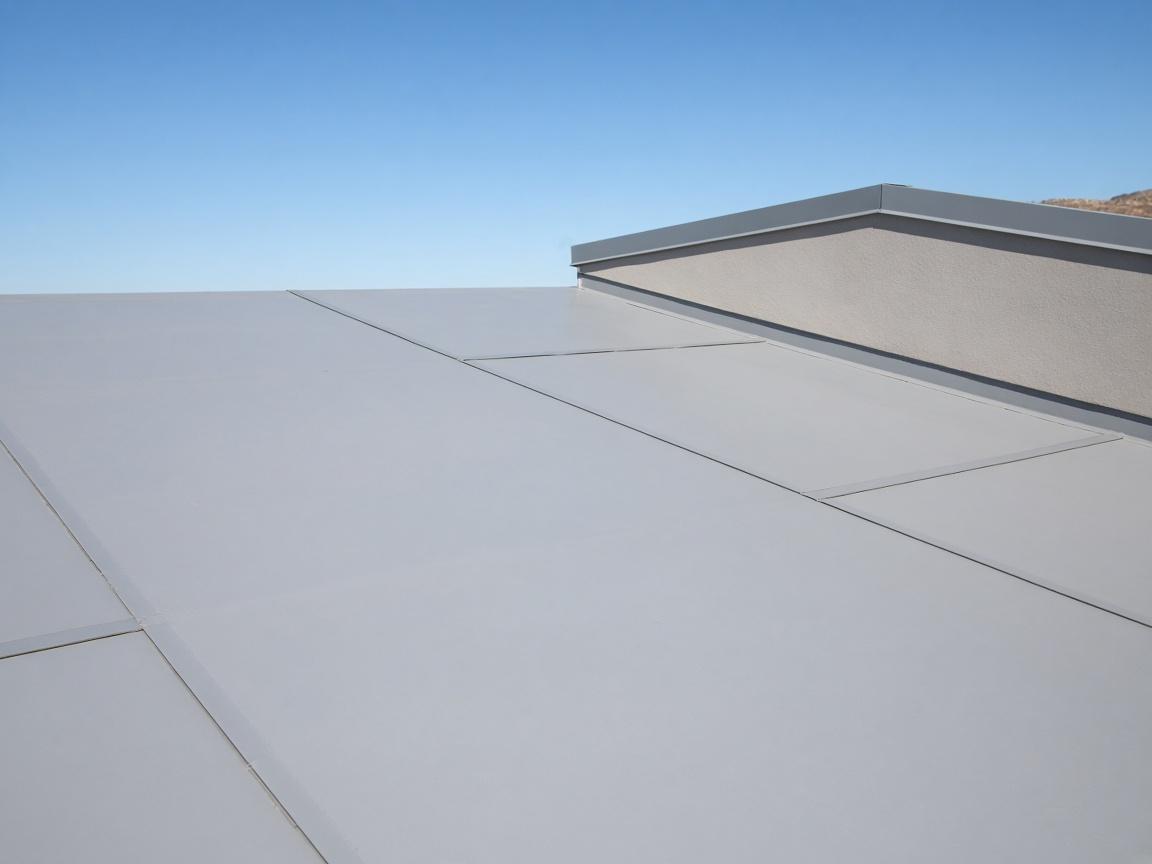
PVC is the go-to for buildings that deal with cooking grease, chemical fumes, or aggressive drainage. The welded seams and chemical resistance make it one of the most durable single-ply options available.
Learn more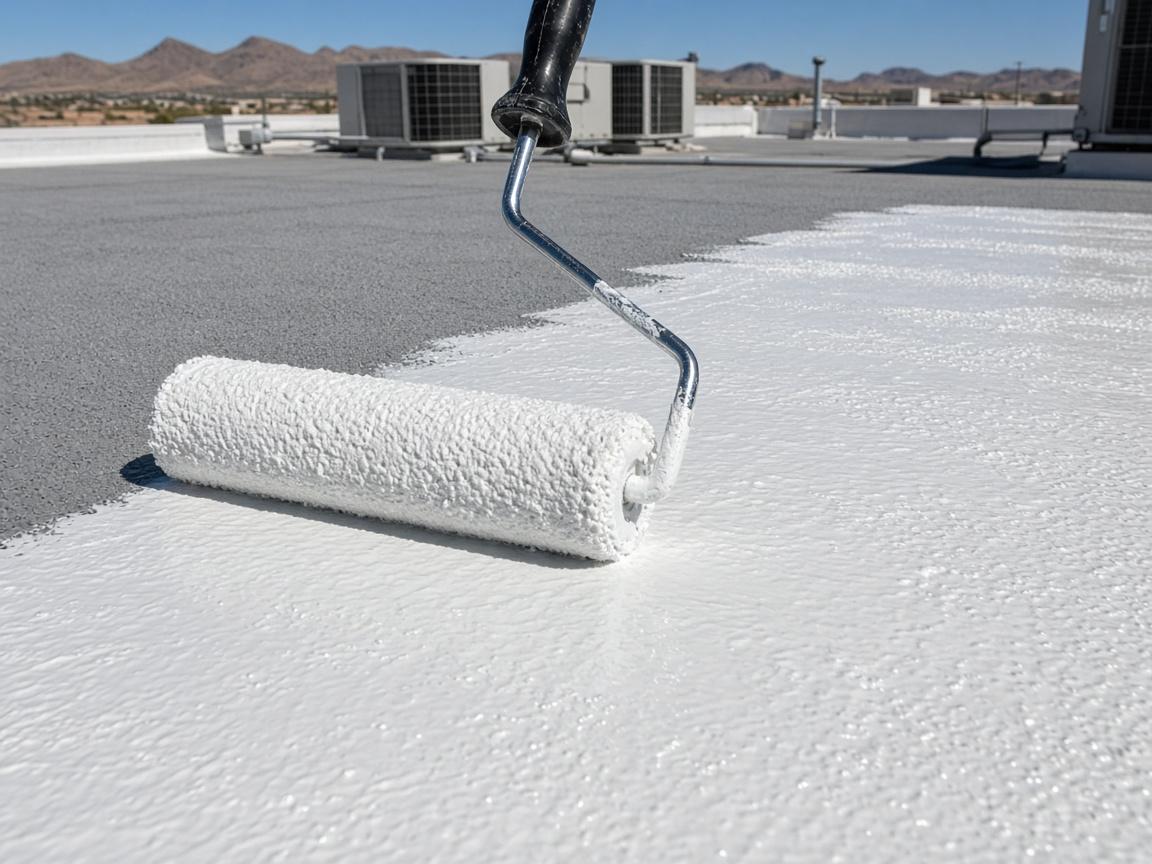
A quality coating system can add 10–15 years to a commercial roof that still has structural integrity. It's often one-third the cost of a full replacement and keeps tons of material out of the landfill.
Learn more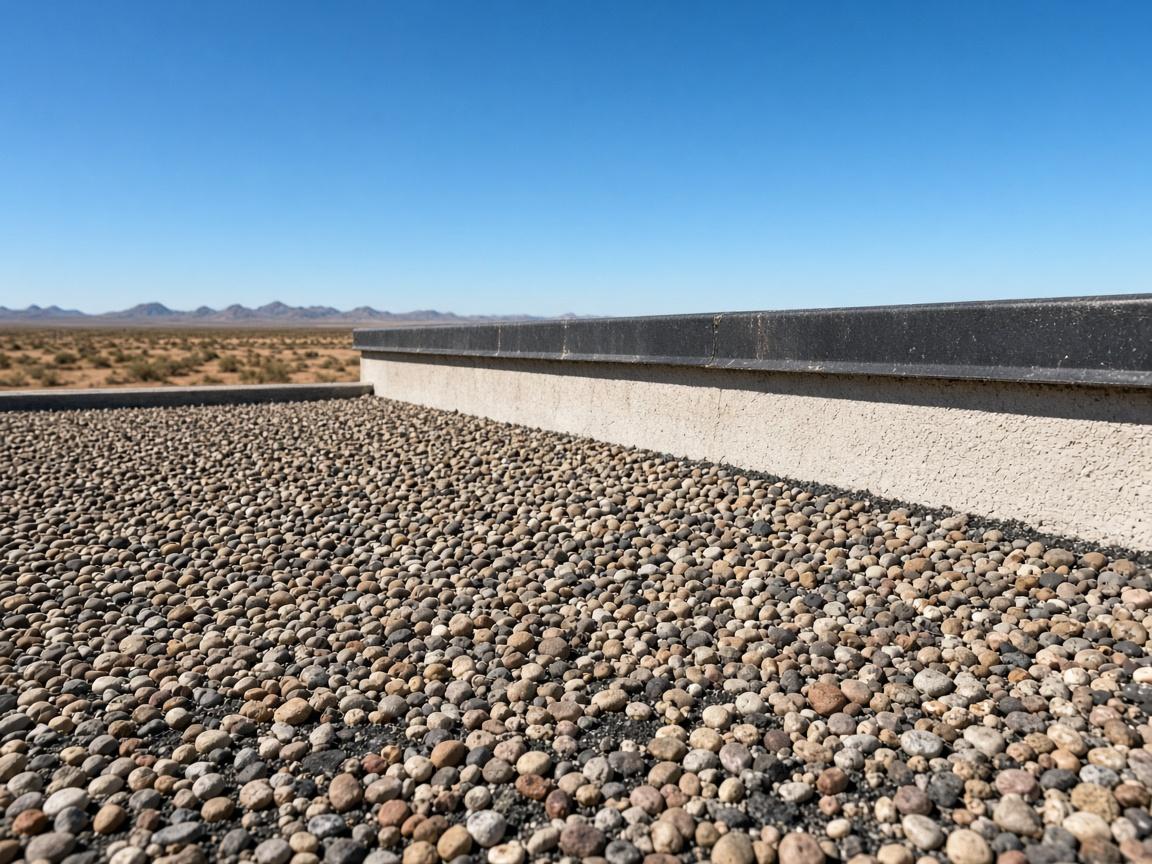
Built-up roofing has been trusted on commercial buildings since the 1800s. Multiple redundant plies of felt and bitumen create a robust membrane that holds up well in Arizona's demanding climate.
Learn more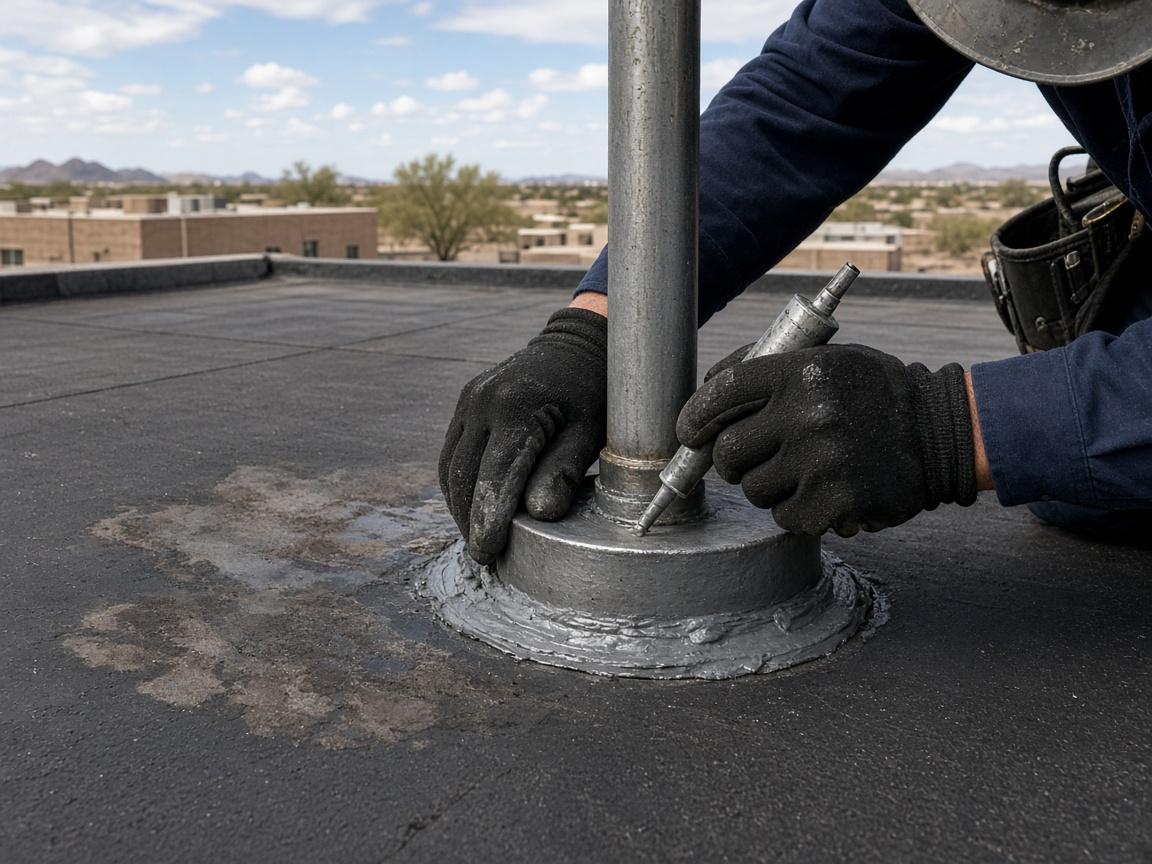
A leak on a commercial roof isn't just a roofing problem — it's a business disruption. We respond fast, find the actual source (not just where the water shows up inside), and fix it.
Learn more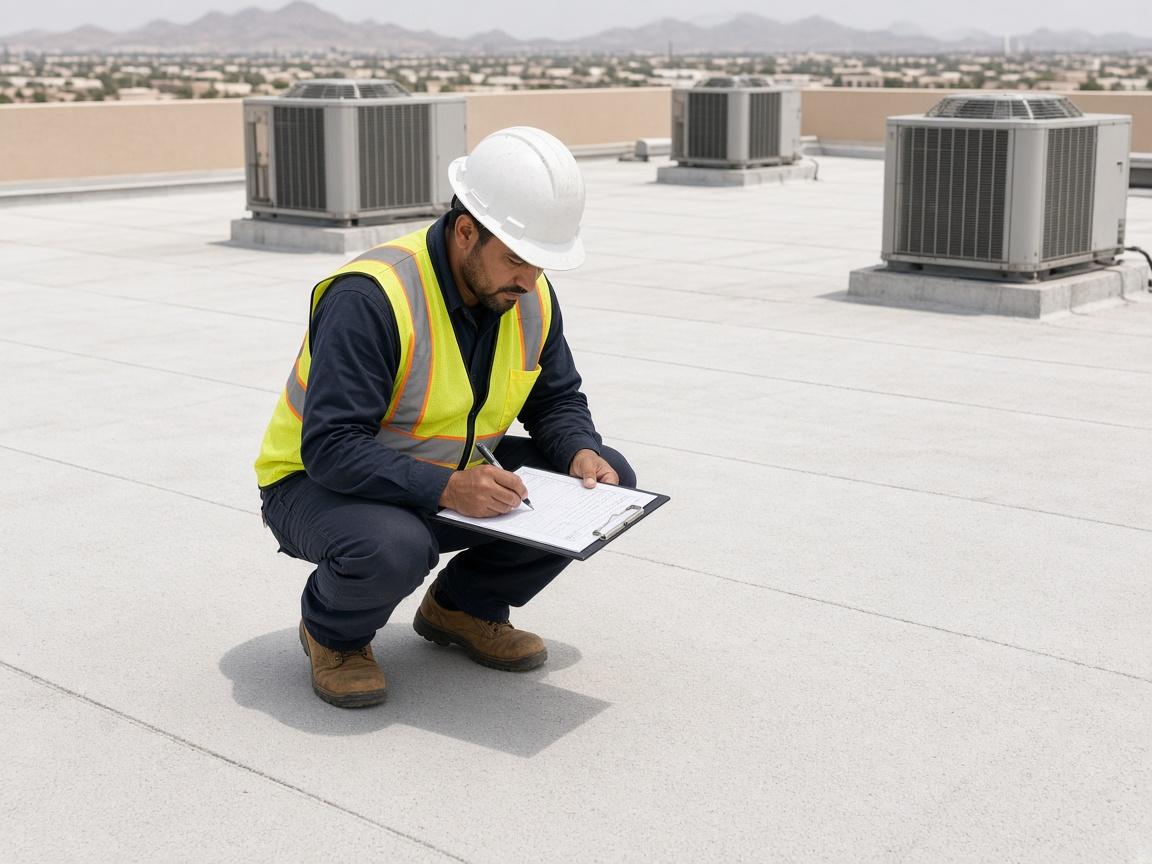
Regular maintenance is what separates a 15-year roof from a 25-year roof. Our maintenance programs are designed to catch small problems before they turn into expensive repairs or premature replacement.
Learn moreWe're not a general contractor that does roofing on the side. Commercial roofing is all we do — and we've been doing it in Gilbert for 15+ years. That focus means we've seen every membrane type, every failure mode, and every trick to get a roof to last longer in Arizona's climate.
We'll get eyes on your roof fast when you've got a leak or damage. No waiting a week for a callback.
We'll tell you if your roof can be repaired — not push a replacement just to run up a ticket.
UV intensity, monsoon uplift, and 110°F heat cycles call for different solutions than roofing up north.
We install systems that qualify for full manufacturer-backed warranties — up to 20 years on membrane systems.
We work on occupied commercial buildings. Our crews respect your operations, your tenants, and your property.
You'll know exactly what we're doing, what materials we're using, and what it costs before we start.
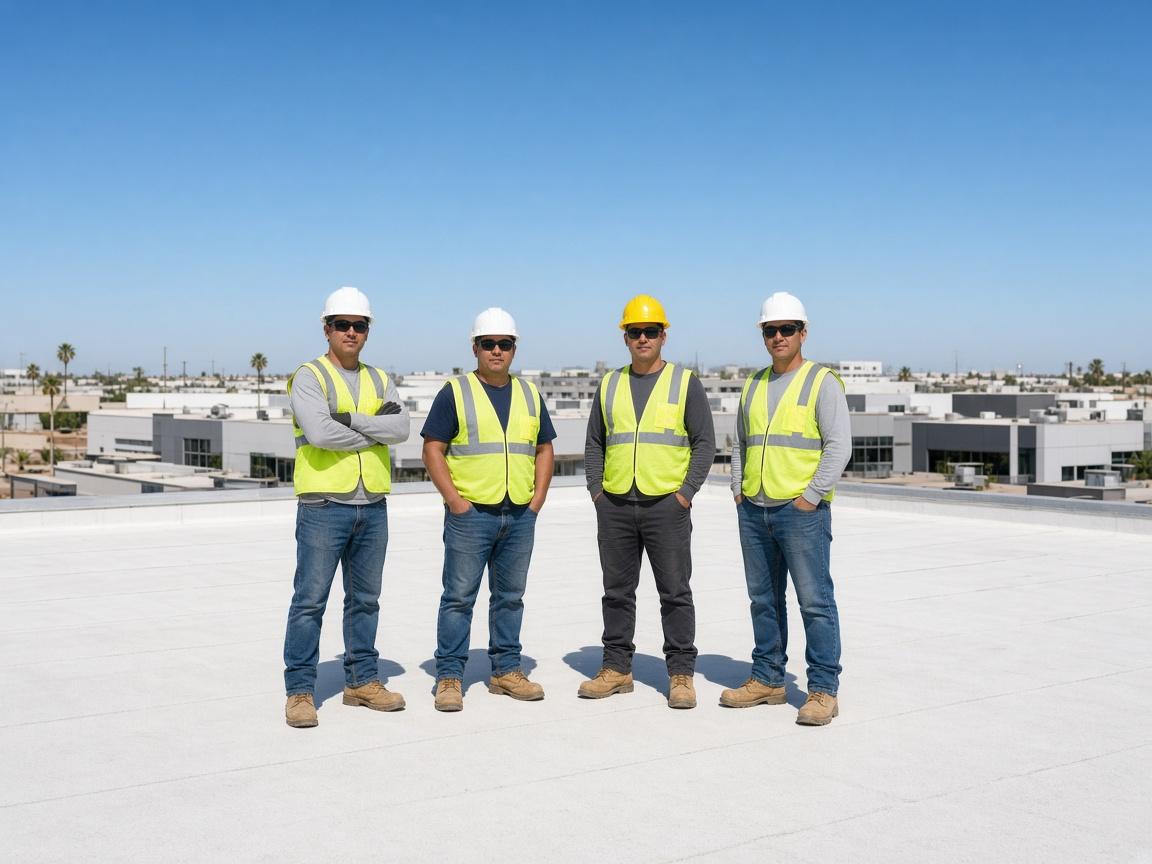
We keep things straightforward. Here's what to expect from the first call to the finished roof.
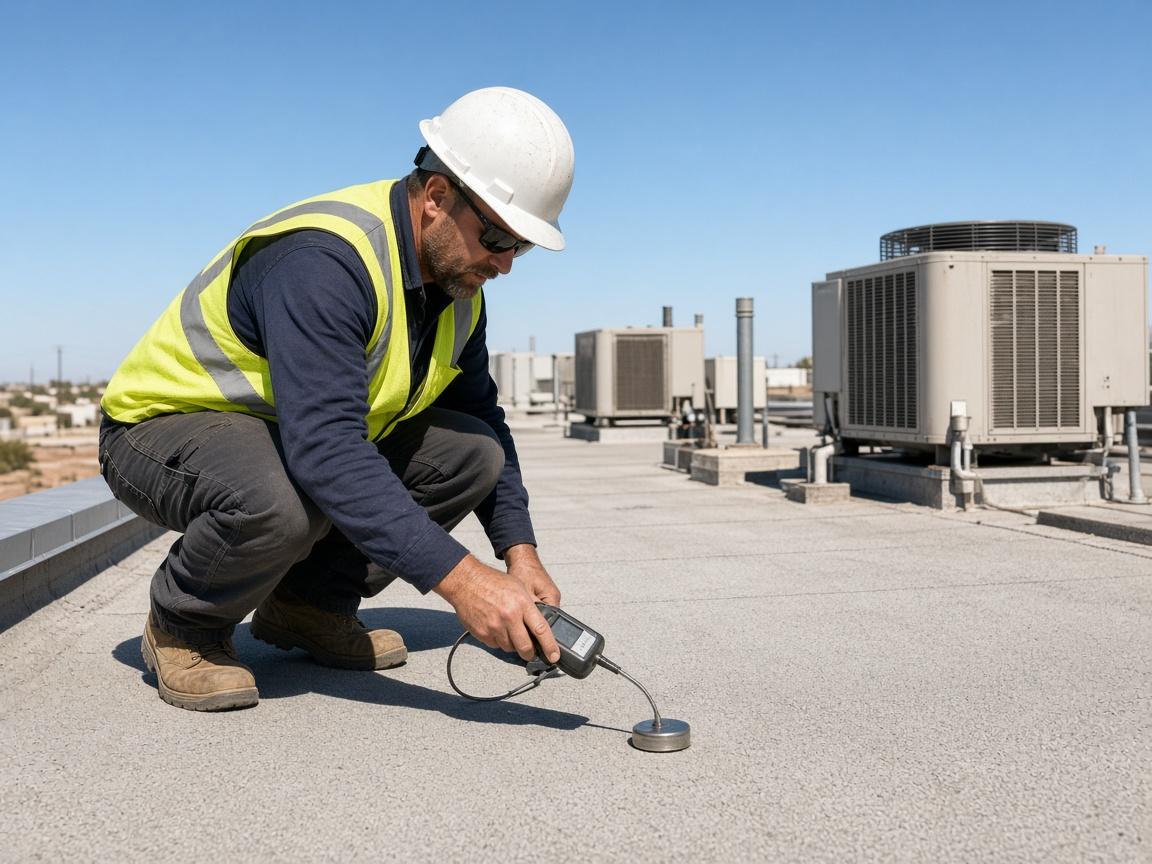
We come out, walk the roof, check every membrane seam, flashing, penetration, and drain. We take photos and document what we find. No charge, no obligation.
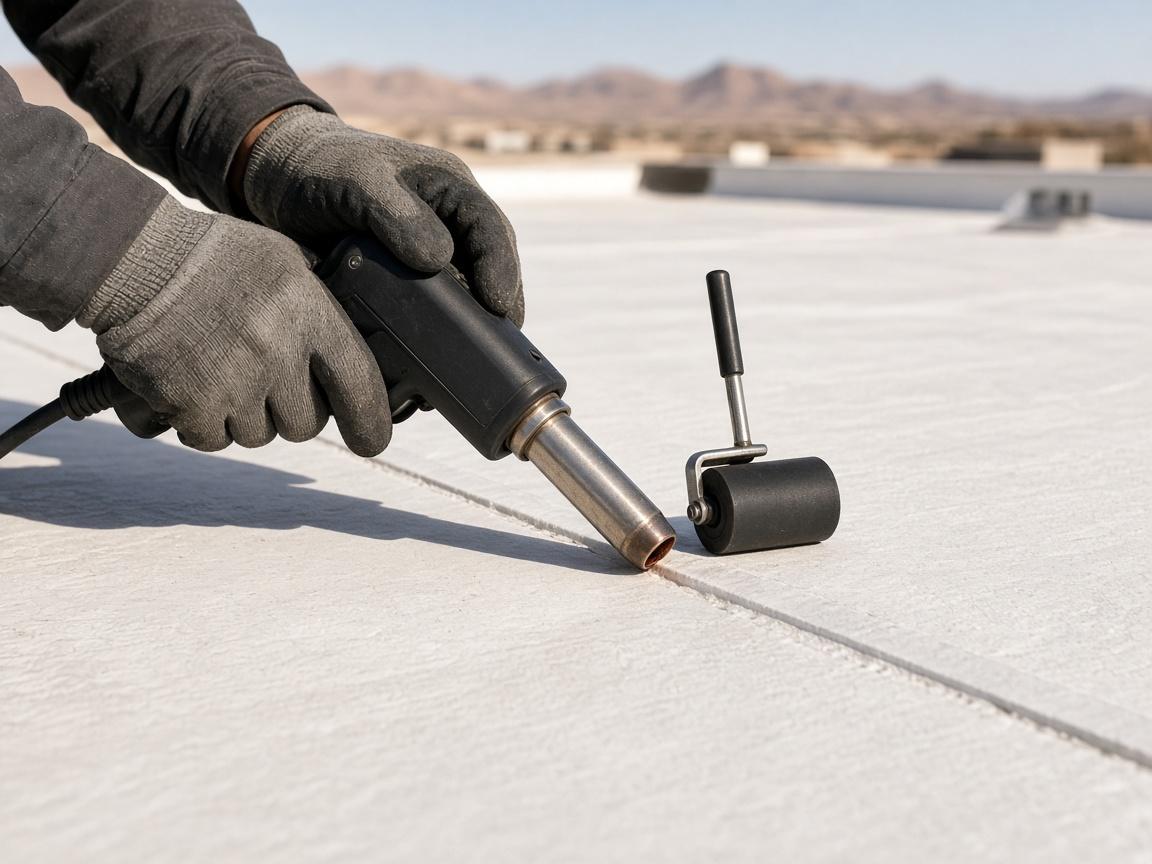
You get a written scope of work with specific materials called out — manufacturer, product line, mil thickness, and warranty terms. No vague 'flat roof repair' line items.
We complete the work with your building's schedule in mind, do a final inspection with photos, and hand you a warranty document and maintenance schedule.
Based in Gilbert, we cover a 50-mile radius across the Valley — from Scottsdale to Apache Junction and everything in between.
Our home base. Most of our crews are already in Gilbert every day — on the tech campuses along Val Vista, retail strips on Gilbert Road, and the industrial parks off Recker. Same-day response is the norm here.
Chandler's Price Road tech corridor is dense with commercial buildings. We handle flat roof systems on everything from small office suites to large campus facilities throughout Chandler.
Mesa's commercial footprint spans the entire city — warehouse districts near the airport, retail on Main Street, and light industrial parks throughout the east side. We cover all of it.
Tempe's high building density and proximity to Sky Harbor means tight scheduling matters. We work around operating hours and coordinate with property managers in the ASU and Rio Salado corridors.
From South Scottsdale's light industrial zone to the North Scottsdale corporate campuses, we handle the full range of commercial roof systems that Scottsdale businesses need.
Queen Creek is one of Arizona's fastest-growing commercial markets. We're tracking the new retail and industrial development along Ellsworth Road and have crews in the area regularly.
San Tan Valley's Hunt Highway corridor is home to growing industrial and retail development. We serve commercial buildings throughout the area, including Pinal County properties.
Ahwatukee's commercial buildings cluster along Elliot, Chandler Blvd, and the I-10 corridor. We know the area and handle everything from small retail strip repairs to larger office roof systems.
The US-60 commercial corridor through Apache Junction has a mix of industrial, retail, and agricultural business buildings. We cover the area with the same quality we bring to larger metro jobs.
Phoenix is the anchor of the Valley's commercial real estate market. We handle projects throughout Phoenix — from central city office buildings to sprawling industrial parks on the metro's edge.
Most commercial roofing bids look the same on the surface. The difference is in what's actually being installed. Gilbert Commercial Roofing specs every job down to the mil thickness, the fastener pattern, the insulation R-value, and the manufacturer product line — because those details determine how long your roof lasts in Arizona's climate.
Commercial roofing membranes are engineered to specific performance standards — ASTM D6878 for TPO, ASTM D4637 for EPDM, ASTM D4434 for PVC. These standards define tensile strength, elongation, tear resistance, and heat-ageing performance. The mil thickness of a membrane (45-mil vs 60-mil vs 80-mil) directly affects puncture resistance and durability under foot traffic. In Arizona, where surface temperatures hit 170°F, heat-ageing resistance is the spec that separates a 12-year roof from a 25-year roof.
The insulation under a commercial membrane isn't just about energy efficiency — it's structural. Polyisocyanurate (polyiso) is the standard for commercial roofing, with an aged R-value of approximately R-5.6 per inch. Two-layer offset installation eliminates thermal bridging at fasteners, which can reduce a roof assembly's effective R-value by 20–30% if ignored. Arizona's Title 24 commercial energy code sets minimum R-value requirements for roof assemblies — we design systems that meet or exceed those thresholds.
Commercial roofs in the East Valley are subject to monsoon wind events. ASCE 7 wind uplift calculations determine the required fastener density and spacing for a given building height, exposure category, and roof zone. Perimeter and corner zones require significantly higher fastener density than field zones — a detail that's frequently underspecified on low-bid jobs. We follow FM Global or Factory Mutual approval ratings for fastening patterns on mechanically attached systems.
On TPO and PVC systems, seam welds are made with robotic hot-air welding machines that maintain precise air temperature (650–1,200°F depending on ambient conditions) and travel speed to produce a consistent, repeatable weld. Every seam is hand-probe tested after welding — a steel probe dragged along the seam edge at pressure. A properly welded seam won't open under probe pressure; the membrane tears before the weld releases. This is the NRCA standard for seam quality, and it's what we hold every job to.
More than 80% of commercial roof leaks originate at flashings — not the field membrane. Proper flashing design means selecting compatible materials (PVC flashing on PVC systems, TPO flashing on TPO systems — never mixed), achieving correct step height at curbs (minimum 8 inches), using appropriate counter-flashing at parapet terminations, and sealing penetrations with flexible pipe boots that accommodate movement. Caulk-only flashing details fail in Arizona's thermal cycling. Welded or bonded flashing membranes are the correct specification.
ASTM and IBC both define positive drainage as water clearing the roof within 48 hours of rainfall. Achieving this on large commercial roofs requires either designed slope in the deck, tapered insulation to create slope over a flat deck, or adequate drain spacing. The IBC prescribes minimum secondary (overflow) drainage for roofs above the first story. We assess drainage on every project and engineer corrections where needed — not just patch and hope.
Commercial roofing is a specialty trade, not a general contractor add-on. Hiring the wrong company doesn't just mean a shorter-lasting roof — it can mean a voided manufacturer warranty, a failed inspection, or a liability exposure when the work wasn't permitted or wasn't done to code. Here's what separates a qualified commercial roofing company from everyone else bidding the job.
Arizona requires a ROC (Registrar of Contractors) licence for commercial roofing work. Licence class CR-35 (Roofing) covers commercial membrane, metal, and built-up systems. Any company working on a commercial roof without a valid ROC licence is working illegally, and unpermitted work creates title and insurance problems at sale.
Major manufacturers — Firestone, GAF, Carlisle, Versico, Duro-Last — certify roofing contractors who have completed installation training and met quality requirements. Manufacturer-certified installers can offer no-dollar-limit (NDL) warranties that cover both material and labour. Non-certified contractors can only offer a workmanship warranty — which protects you far less.
Commercial and residential roofing are different trades with different skills, materials, and code requirements. A company that primarily installs asphalt shingles and occasionally takes commercial jobs doesn't have the system knowledge to spec or install membrane roofing correctly. Ask specifically how much of their annual revenue is commercial work.
Commercial re-roofs require building permits and inspections in Gilbert and all surrounding cities. A company that proposes skipping permits is cutting a corner that creates problems later. Ask whether the scope requires a permit — if it does, a qualified company will pull one without being asked.
What is your ROC licence number, and is it current?
Are you a certified installer for the manufacturer whose system you're specifying?
Will you pull the permit for this project?
What warranty does the manufacturer offer on this system, and do we qualify?
How do you handle wet insulation discovered during tear-off?
Who are your crew members — employees or subcontractors?
Can you provide references from similar commercial projects in this area?
What is your process for protecting the building if rain occurs during installation?
Ask us every one of those questions. We'll answer all of them — ROC number, manufacturer certifications, permit process, warranty documentation, crew structure. No runaround.
Get Your Free EstimateMost commercial re-roofs in the 10,000–30,000 sq ft range take 3–7 business days depending on the system and substrate condition. Larger industrial roofs may take 2–3 weeks. We schedule around your operations and can work in phases to minimize disruption.
TPO and PVC both perform very well in Arizona because they're reflective and heat-weldable. For older buildings where coating is viable, a high-quality silicone coating is often the most cost-effective option. The right choice depends on your existing system, slope, and building use.
Twice a year is the standard recommendation — once in spring before monsoon season and once in fall after it ends. Monsoon and UV are the two biggest stressors on commercial roofs in the Valley. Many manufacturer warranties also require documented inspections.
Yes, but the repair needs to be done according to the manufacturer's specifications and documented properly. We're familiar with the requirements for most major commercial roofing manufacturers and can work within your existing warranty.
All the time. Most of our work is on occupied office buildings, retail centers, and warehouses. We coordinate access, control noise where possible, and keep debris off your property throughout the job.
Get a free, no-obligation inspection and quote from our team. We respond within one business day.